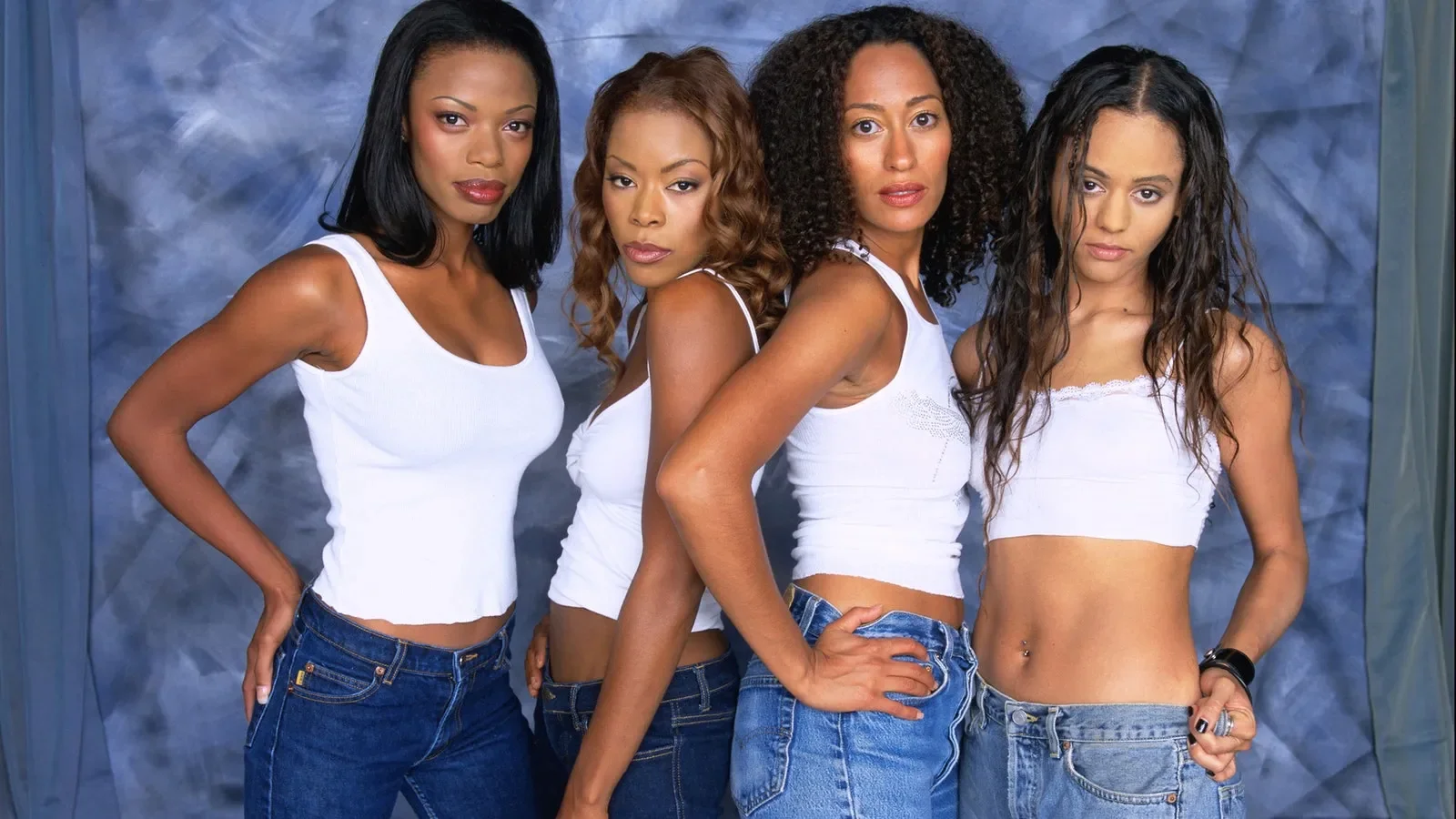
Toni, Joan, Maya and Lynn-Girlfriends
Beyond Representation
Career goals, relationships, life paths and fashion! Girlfriends is my favourite sitcom of the 2000s. The show follows Toni, Maya, Lynn and Joan, four very different Black women navigating their lives, relationships and the inevitable ups and downs that come with them.
To some, Girlfriends is simply a casual watch. With its comic relief and ever-evolving storylines, the beloved sitcom certainly serves as light entertainment. However, what if I told you that Girlfriends was one of its kind and contributed to the way Black womanhood is represented on television, and in a positive light, too?
Beyond the Monolith
What drew me to Girlfriends in my early twenties, aside from my existential crisis and love for fashion, was that it was one of the first times I had experienced Black women being represented beyond a monolithic perspective. How many times have you tuned into a television show or watched a film only to find that the Black woman is cast as either the comedic side character who dies within the first 30 minutes, or the stereotypical ‘baby mama’ who has endured nothing but a life of pain and trauma? Girlfriends was refreshing because Black women were not presented as a monolith, but rather as individuals with distinct personalities, ambitions and aspirations.
Lynn embodied the bohemian archetype, complete with commitment issues. Joan was busy climbing the corporate ladder whilst searching for a romantic companion. Toni was the brutally honest career woman, while Maya brought a more grounded perspective as she navigated motherhood and her role as a positive example for her son, Jabari. The sitcom absolutely oozed individuality and selfhood, qualities that are rarely explored with such nuance when it comes to representing Black womanhood in the media.
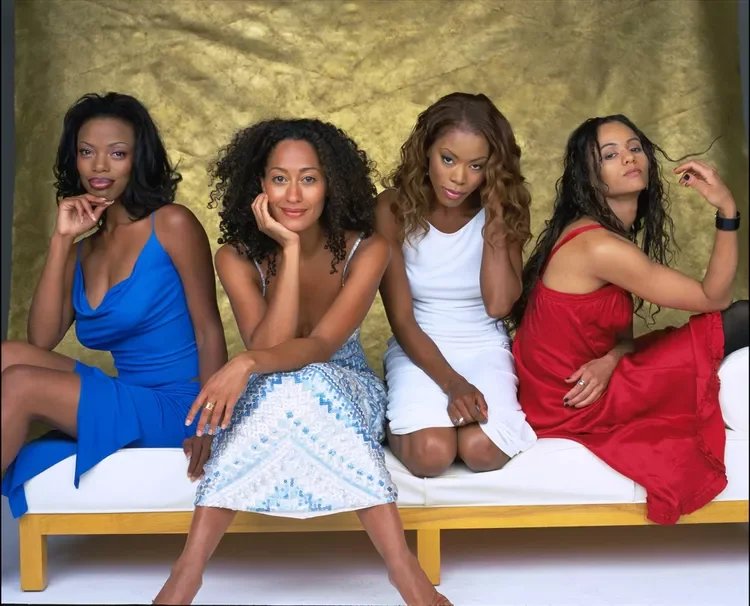
Toni, Joan, Maya and Lynn-Girlfriends
The Politics of Recognition
What I find particularly interesting about this well-known sitcom is the reception it received when it was first released. Unlike its competitors, such as Sex and the City and Friends, Girlfriends aired on UPN (United Paramount Network), a considerably smaller network at the time, which meant it had a smaller budget and less industry visibility.
Critics were also quick to compare it to Sex and the City, often referring to it as ‘the Black Sex and the City’. This comparison arguably contributed to the perception among some viewers that Girlfriends was little more than a replica of the better-known sitcom. Tracee Ellis Ross, who played Joan Clayton, has also spoken candidly about the industry's failure to recognise Girlfriends during its original run. In an appearance on Trevor Noah's What Now? podcast, Ross reflected on the show's lack of mainstream recognition, recalling how she and her co-stars were never invited to major late-night programmes such as The Tonight Show or Late Night with David Letterman.
Despite the sitcom's popularity, it received limited recognition from the industry's most prominent platforms, prompting Ross to question whether racial bias had played a role. Her recollections highlight a wider issue within television: the distinction between a show's cultural impact and the recognition it receives from the mainstream entertainment industry.
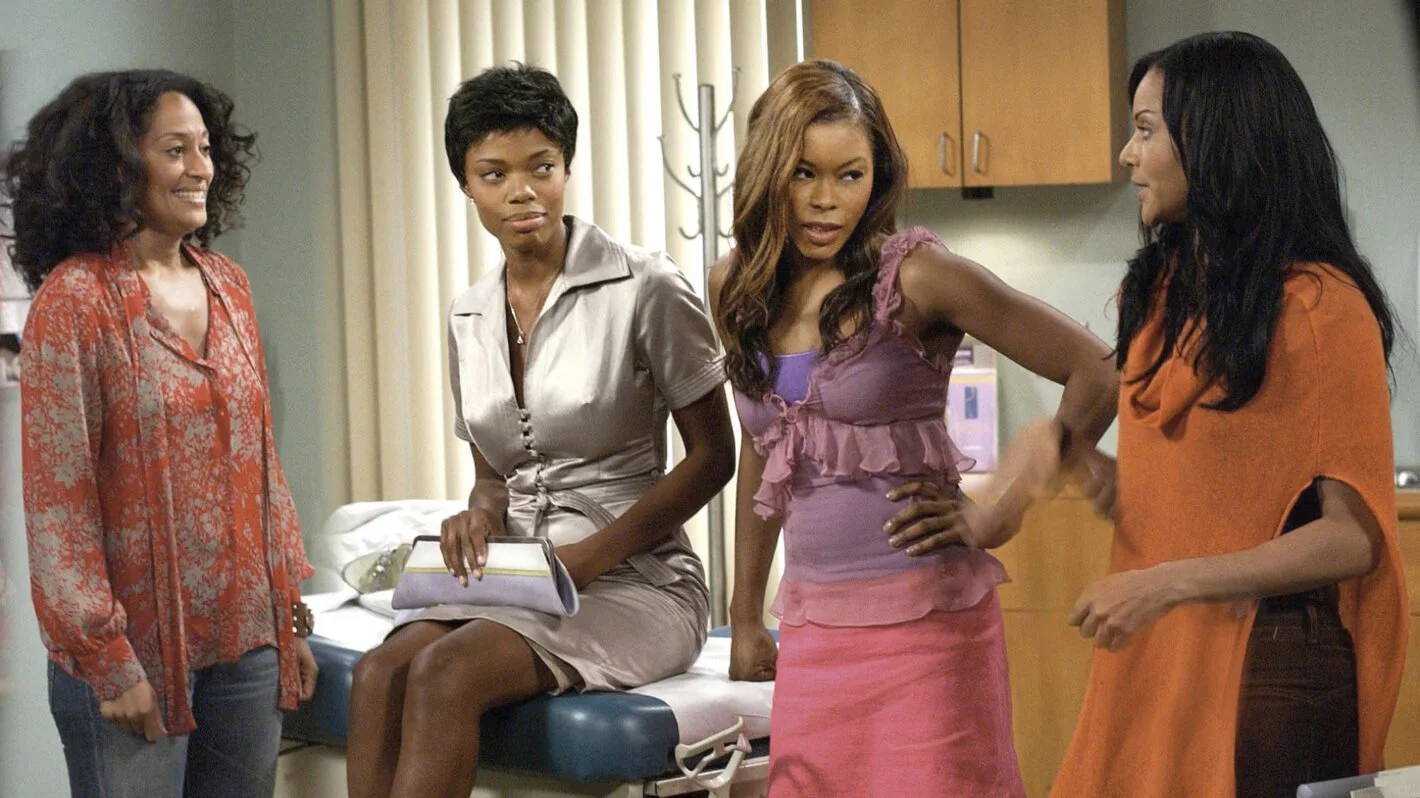
Joan, Toni, Maya and Lynn-Girlfriends
The Power of Being Ordinary
Undoubtedly, the success of Girlfriends did not happen overnight. As the show was renewed season after season, audiences gradually came to appreciate it not only for its humour, but also for its versatile, affluent and multifaceted portrayal of Black womanhood.
A show such as this is imperative because it communicates to its audience that Black women can be vulnerable, ambitious, fashionable and, most importantly, ordinary. The portrayal of Black women navigating life not only humanises us, but celebrates us, too.